Channels that never show the creator's face pull in millions of views and generate steady income. What exactly is faceless YouTube, and why is the format so compelling? Below we break down how faceless channels work and which monetization models actually deliver.
Faceless YouTube: what the format is
Faceless YouTube is an approach where the creator never appears on camera. Value comes not from personality but from content: voice-over, visuals, and video structure. What you see on screen can be stock footage, screencasts, infographics, AI-generated images, generative video, or animated text — but never a talking head.
The format wins on three fronts. First, there's no "I'm not comfortable on camera" barrier — anyone can start. Second, production scales easily: one script template turns into dozens of videos, and the channel isn't tied to a specific person. Third, the YouTube algorithm doesn't care whether there's a face — it ranks by viewer behavior: watch time, click-through rate, and replays.
Types of faceless formats
- Reviews and top lists — "5 gadgets," "7 movies," curated picks with voice-over.
- Education and how-to — explanations, guides, infographic breakdowns.
- Facts and stories — educational content, storytelling over B-roll.
- Finance, tech, health — expert niches with high RPM.
- Relaxation and background — music, nature sounds, themed compilations.
How to monetize a faceless YouTube channel
Revenue here comes from multiple streams, and the Partner Program is just one pillar.
1. YouTube Partner Program (YPP)
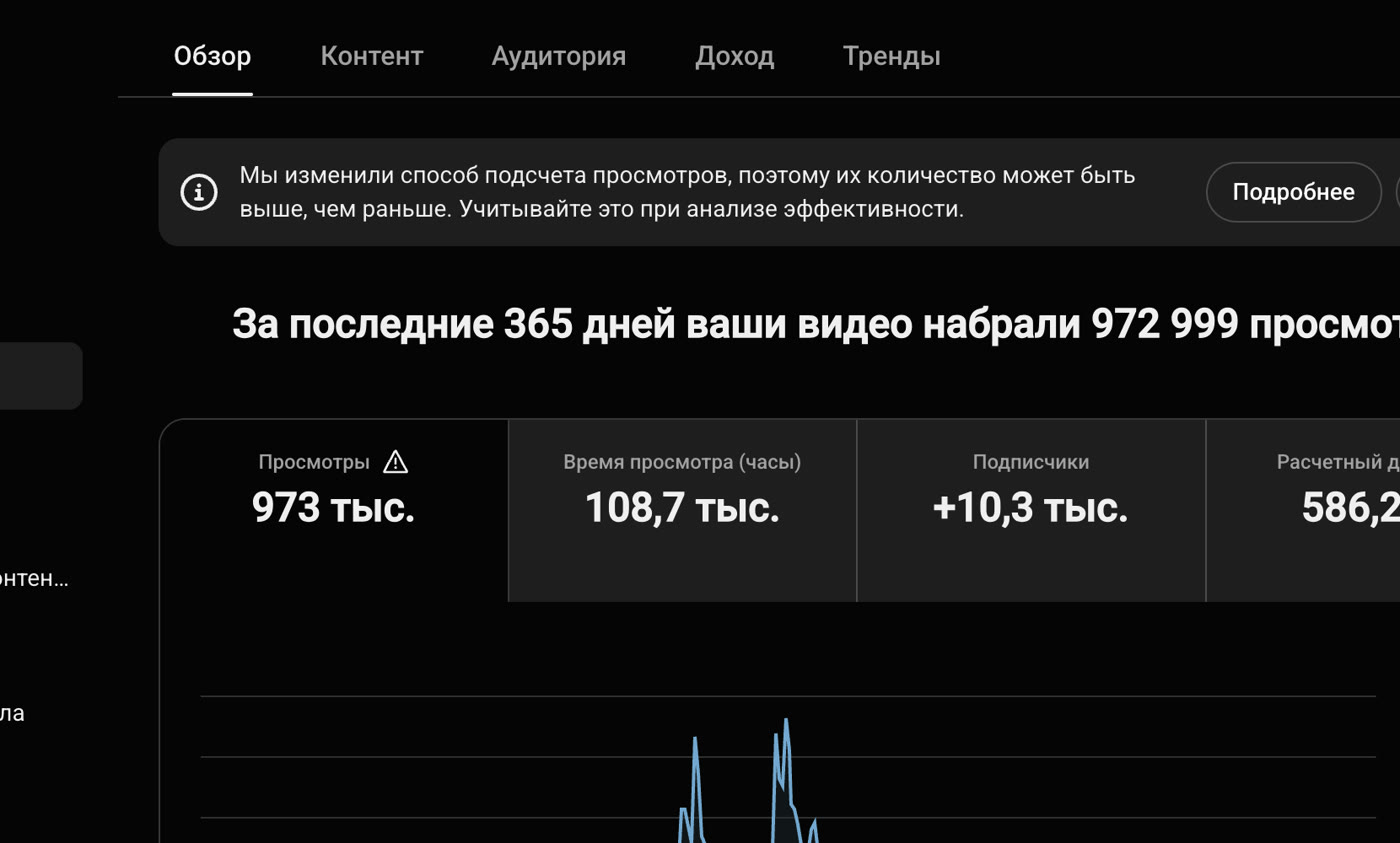
The baseline revenue is in-video ads. To enable them, you need to meet YouTube Partner Program requirements: 1,000 subscribers and 4,000 watch hours in 12 months, or 1,000 subscribers and 10 million Shorts views in 90 days. After that, YouTube starts sharing ad revenue with you.
The key metric here is RPM: how much you earn per 1,000 views after the platform's cut. Don't confuse it with CPM (what the advertiser pays before the split). RPM varies significantly by niche and viewer location.
2. RPM by country and niche
The same video earns different amounts depending on who watches it. Audiences from the US, Germany, Scandinavia, Australia, and the Gulf countries are highly valuable; views from low-cost ad markets are worth several times less. Niches follow the same pattern: finance, insurance, real estate, B2B, and tech yield high RPM, while entertainment and kids' content yield low RPM. The strategy is clear: target high-value geographies and premium topics rather than chasing easy but cheap views.
3. Sponsorships and integrations
Direct brand sponsorships often earn more than YPP and aren't subject to algorithm swings. Once a channel builds an engaged audience in a specific niche, advertisers from that niche come to you — or you reach out to them.
4. Affiliate links
Review and how-to formats are perfect for affiliate links: you recommend a tool or product and earn a commission on sales. Topical relevance matters here — viewers watching a review are already in buying mode.
5. Your own products and funnel
The highest-margin model is driving viewers to your own product: a course, templates, subscription, or service. The video becomes the top of the funnel: capture attention → build value → call to action. A faceless channel builds this funnel naturally because the content is expert-driven and systematic.
What drives revenue: not views, but a system
Income on faceless YouTube doesn't come from a single viral video — it comes from a system. Several levers work simultaneously:
- High-RPM niche — choose a premium topic and a high-value geography.
- Retention and CTR — the higher your click-through rate (target: 6%+) and the stronger your first-30-second retention (65%+), the wider the distribution and the more monetizable views you get.
- Upload volume — a steady stream of videos accumulates watch hours and subscribers.
- Diversification — YPP plus sponsors, affiliate links, and your own product is more resilient than ad revenue alone.
Production volume is often the bottleneck: turning out a steady stream of videos by hand is grueling. That's why faceless channels move to an AI pipeline.
How much can you earn from a faceless channel
No one can give you an exact number — revenue is the product of three variables: monetizable view count, niche RPM, and the share of high-value geos in your audience. The same one million views on a premium fintech topic aimed at a US audience versus entertainment content for a cheap ad market can differ in revenue by several times. That's why two strategies outperform blindly chasing views: picking a premium niche and targeting a high-value audience.
The second multiplier is diversification. Channels that rely solely on YPP are exposed to seasonal swings in ad rates; those who've added sponsors, affiliate links, and their own products earn more steadily — and often more — than on ad revenue alone.
Where to start monetizing
The typical order of rolling out monetization models is: first YPP (once you meet the requirements), then affiliate links in review formats, then direct sponsorships once you've built an engaged niche audience, and finally your own product as the highest-margin model. Don't wait to monetize: affiliate links and your own funnel can work before you hit YPP thresholds.
Which faceless formats are easiest to automate
Not all formats are equally well-suited to camera-free production. The easiest to scale are reviews and top lists, educational breakdowns, facts and storytelling over B-roll — where the value lives in the script and voice-over, and visuals are easily assembled from AI images, stock footage, and infographics. These formats produce the most predictable pipeline: one structural template turns into dozens of videos across different niche topics.
How Goutub speeds this up
Goutub solves the core challenge of the faceless model — producing content at scale. You provide the topic; the platform writes the script, records it with an AI voice, sources the visuals and B-roll, and assembles the finished video. That way one person can run a channel — or even a network of channels across different niches and geographies — growing watch hours and subscribers without a team of editors and voice actors.
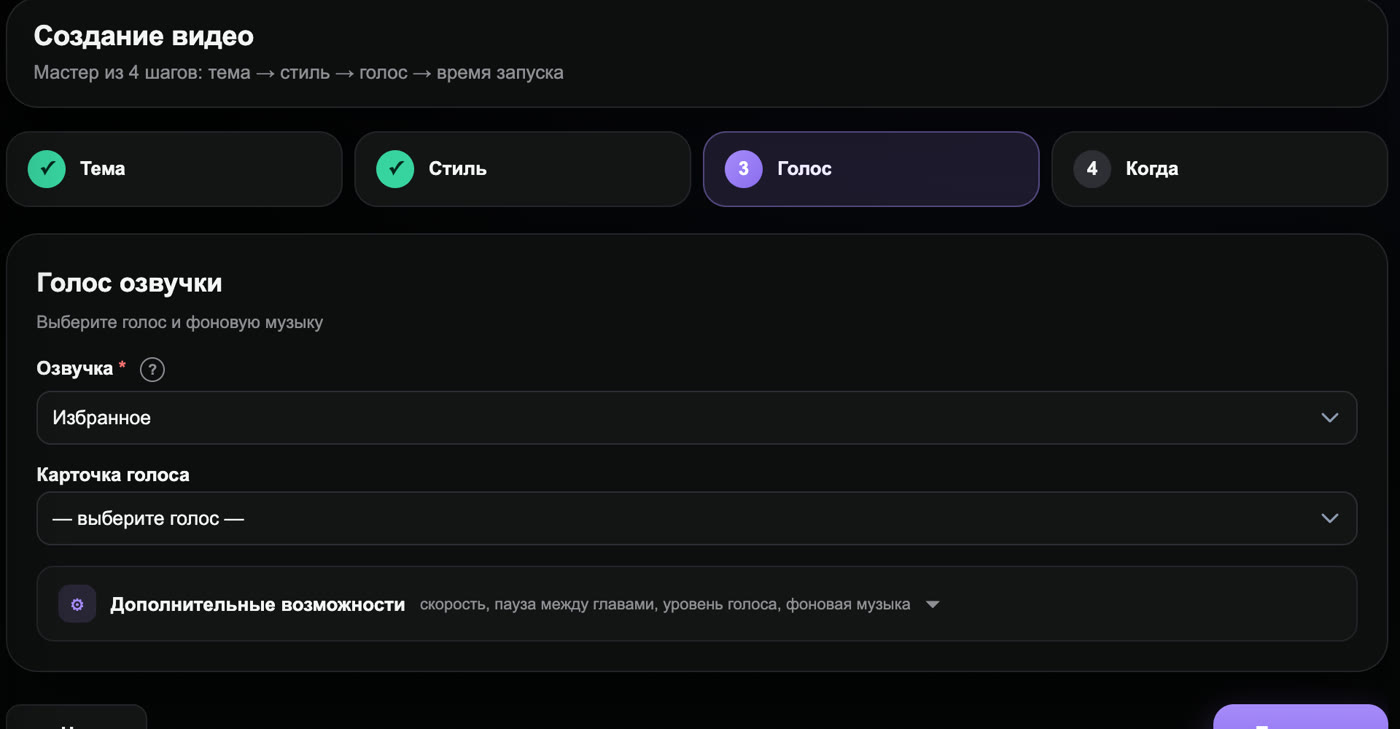
Build your first video in Goutub
Script, voice-over, visuals, editing, and YouTube package — one AI pipeline. Enter a topic, get a finished MP4.
Try GoutubPublished July 28, 2026 · Author: Асанов Усен · ← All blog posts